Compensation for Injured Student Upheld, ITRs Held Relevant for Assessing Income and Future Prospects: Gujarat High Court
The Gujarat High Court has dismissed an appeal filed by United India Insurance Company Limited challenging a compensation award of ₹12,95,280 to a man who suffered a leg fracture and permanent disabil...
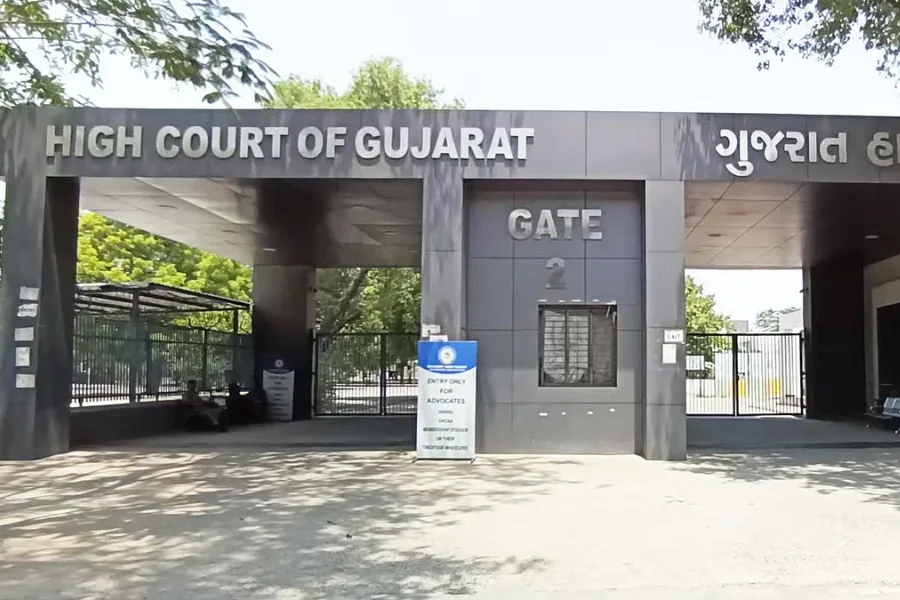
The Gujarat High Court has dismissed an appeal filed by United India Insurance Company Limited challenging a compensation award of ₹12,95,280 to a man who suffered a leg fracture and permanent disability in a motorcycle accident. Justice J. C. Doshi upheld the Motor Accident Claims Tribunal’s award, including interest at 7% per annum, observing that the insurer had failed to establish any legal or factual error warranting interference.
IT Returns Accepted as Evidence of Income
The dispute arose from an accident on March 25, 2012, when Pankajkumar Mahendrasinh Beravat was travelling as a pillion rider on a motorcycle near Gandhibaugh on Station Road in Dahod. The rider, Rameshbhai Hemabhai Beravat, allegedly applied the brakes abruptly and lost control, causing the motorcycle to skid and throwing the claimant onto the road.
Beravat sustained injuries, including a fracture to his left leg, and received inpatient treatment from March 25 to April 2, 2012. He claimed that he had been earning approximately ₹28,000 per month as a contractor and civil engineer before the accident, but his disability affected his earning capacity.
The Tribunal relied on income-tax returns for four financial years, from 2008–09 to 2011–12, to calculate his average income. It awarded ₹12,16,640 for future loss of income, ₹10,000 for pain and suffering, ₹5,000 for attendant, transportation and special diet expenses, and ₹53,640 for actual loss of income.
The insurer argued that Beravat was a full-time student at the time of the accident and that the returns did not establish a genuine independent income. It sought an assessment based on minimum wages or a fresh consideration by the Tribunal.
The High Court rejected the objection, noting that the insurer had neither produced evidence to discredit the returns nor questioned the claimant on the issue during cross-examination. It held that income-tax returns are statutory documents relevant to determining income and cannot be discarded merely on allegations of inflated earnings.
Future Prospects Not Limited to Permanent Employment
The insurer also challenged the award of compensation for loss of future prospects, contending that the claimant had not been rendered incapable of pursuing gainful employment.
Justice Doshi rejected this argument, relying on Supreme Court precedents recognising future prospects as a component of just compensation. The Court noted that the benefit is not restricted to people holding permanent government jobs and may also apply to self-employed persons and those without established employment at the time of an accident.
The judgment referred to the Supreme Court’s ruling in Pranay Sethi and subsequent decisions on the assessment of future income, including the principle that earning capacity may increase over time.
Court Criticises Unnecessary Litigation
The High Court observed that the insurer’s grounds were contrary to settled legal principles and that no perversity, illegality or material error had been demonstrated in the Tribunal’s findings.
It cautioned that the statutory right of appeal should not be used merely to re-agitate issues already settled by binding precedents, particularly in motor accident claims where delays can add to the hardship suffered by injured victims.
Although the Court said the nature of the appeal could justify costs, it refrained from imposing them in the circumstances of the case.
The appeal was dismissed, and the Tribunal’s judgment dated January 29, 2025, was confirmed. Any interim relief was vacated, and the connected stay application was disposed of.
Case Details
Case Title: United India Insurance Co. Ltd. v. Pankajkumar Mahendrasinh Beravat & Anr.
Case Number: First Appeal No. 2637 of 2025; CNR: GJHC240489332025
Judge or Bench: Justice J. C. Doshi
Decision Date: September 28, 2026