Showing 1213 articles
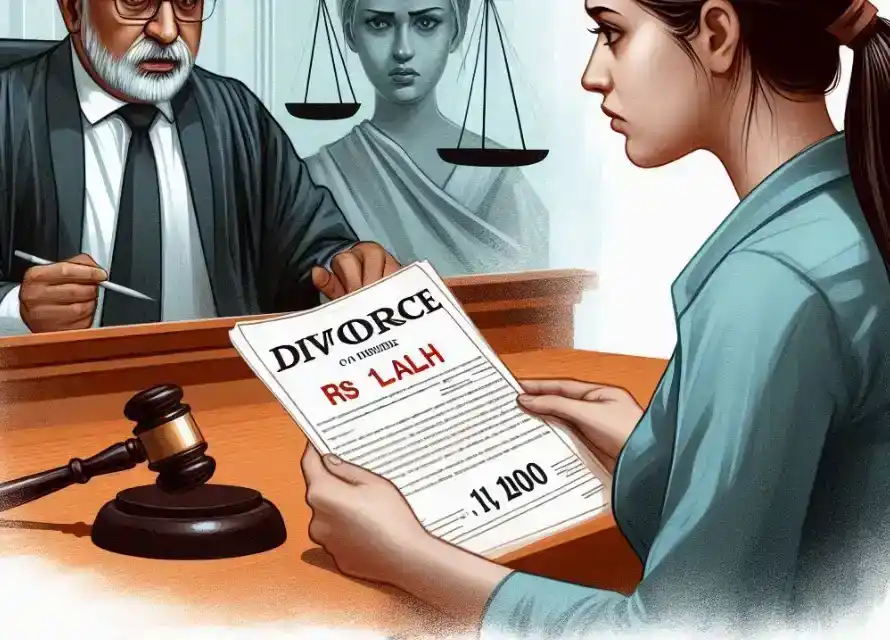
Widowed Daughter-in-Law Entitled to Seek Maintenance from Father-in-Law’s Estate; Court Refers to Manusmriti: Supreme Court
The Supreme Court of India delivered an important judgment clarifying the rights of a widowed daughter-in-law under Hindu Adoptions and Maintenance Act, 1956. The Court held that a woman is entitled to claim maintenance from her father-in-law’s estate even if she became a widow after the death of her father-in-law.…

Section 17A Protection for Honest Officers Upheld; Plea Challenging Anti-Corruption Sanction Requirement Rejected: Supreme Court
The Supreme Court of India has upheld the constitutional validity of Section 17A of the Prevention of Corruption Act, 1988, which mandates prior government approval before initiating any enquiry, inquiry, or investigation against a public servant for decisions taken in the course of official duties. The ruling…

NCDRC Decrees Cannot Be Enforced Against Promoters Without Proven Liability, Court Clarifies: Supreme Court
Supreme Court of India has delivered an important ruling clarifying that consumer court orders passed against a company cannot automatically be enforced against its directors or promoters. The Court held that unless personal liability of directors is specifically pleaded, adjudicated, and fixed in the original…

Vendor Is a Necessary Party in Specific Performance Suits Even After Transfer of Property to Third Party: Supreme Court
The Supreme Court of India has reaffirmed the settled legal position that a vendor is a necessary party in a suit for specific performance of an agreement to sell immovable property, even if the vendor has transferred the property to a third party. The Court clarified that the vendor’s role does not end merely because…
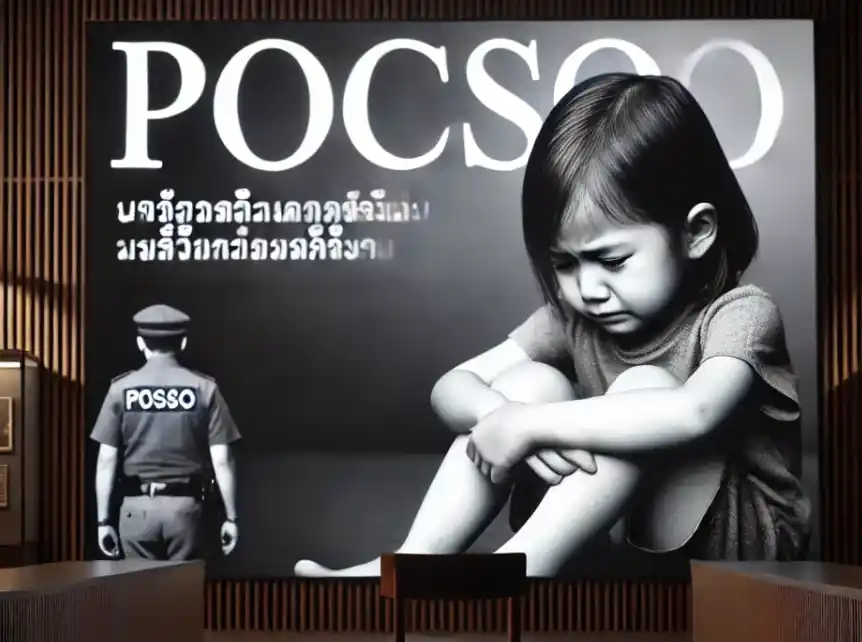
Bail Cancelled in Minor Rape Case under POCSO Act, 2012; Court Says High Court Ignored Gravity of Offence: Supreme Court
The Supreme Court of India has set aside an order of the Allahabad High Court which had granted bail to an accused in a serious case under the Protection of Children from Sexual Offences Act, 2012. The apex court held that the bail order was perverse, unreasonable, and passed by ignoring crucial material, especially…

Sentence of 80-Year-Old Convicted for Homicide Reduced; Court Says It Would Be ‘Harsh’ to Send Him to Jail at This Age: Supreme Court
The Supreme Court of India has reduced the sentence of an elderly man convicted for causing the death of another person during a village clash in 1992, limiting the punishment to the period already undergone. While maintaining the conviction under Section 304 Part II, Indian Penal Code, the Court took note of the…

Multiple Complaints Maintainable for Dishonour of Several Cheques Arising from Same Transaction under Section 138 NI Act: Supreme Court
The Supreme Court of India has clearly held that dishonour of multiple cheques, even if they arise from the same underlying transaction, can give rise to separate and independent causes of action under Section 138, Negotiable Instruments Act, 1881. The Court ruled that such cheque bounce cases cannot be quashed at the…

Consensual Adolescent Relationships Should Be Exempted from POCSO Act under ‘Romeo-Juliet Clause’, Court Observes: Supreme Court
The Supreme Court of India has expressed serious concern over the growing misuse of the Protection of Children from Sexual Offences Act, 2012 and observed that the law, enacted to protect children from sexual abuse, is increasingly being invoked to criminalise consensual romantic relationships between adolescents.…

Private Complaint Alleging Fraud Not Maintainable under Companies Act; Only SFIO Can File Such Case: Supreme Court
On January 9, 2026, the Supreme Court of India delivered a crucial ruling clarifying that complaints alleging fraud under the Companies Act, 2013 cannot be initiated through private complaints. The Court held that only the Director of the Serious Fraud Investigation Office (SFIO) or an officer authorised by the…

Criminal Case in Family Property Dispute Revived; Madras High Court Order Quashing Proceedings Set Aside: Supreme Court
The Supreme Court of India has delivered an important judgment explaining the limits of the power of High Courts to quash criminal proceedings under Section 482 Criminal Procedure Code. The court held that criminal cases involving allegations of cheating, fraud, and forgery cannot be terminated at the initial stage…

